"For the time will come when they will not endure sound doctrine; but wanting to have their ears tickled, they will accumulate for themselves teachers in accordance to their own desires, and will turn away their ears from the truth and will turn aside to myths." Northwoods is a ministry dedicated to refreshing Christians and challenging them to search for the truth in Christianity, politics, sociology, and science
"I am the Way, the Truth, and the Life"
Father God, thank you for the love of the truth you have given me. Please bless me with the wisdom, knowledge and discernment needed to always present the truth in an attitude of grace and love. Use this blog and Northwoods Ministries for your glory. Help us all to read and to study Your Word without preconceived notions, but rather, let scripture interpret scripture in the presence of the Holy Spirit. All praise to our Lord and Saviour Jesus Christ.
Please note: All my writings and comments appear in bold italics in this colour
Thursday, October 15, 2026
More Politics in Europe > Europe is leaning to the right; No more ‘gifts’ to Ukraine – Slovakia; Berlin can't deport migrants because they don't have anough working police cars
The right wing Chega party is now LEADING in Portugal at 30.7%
The Austrian Freedom Party is LEADING at 41%
The AfD is LEADING new poll in Germany at 30.5%
Marine Le Pen is LEADING to become next President in France.
The right is now LEADING the polls in Spain.
The FrP party in Norway is LEADING massively at 35%
Georgia Meloni's party is LEADING in Italy at 27.5%
Europe is turning right.
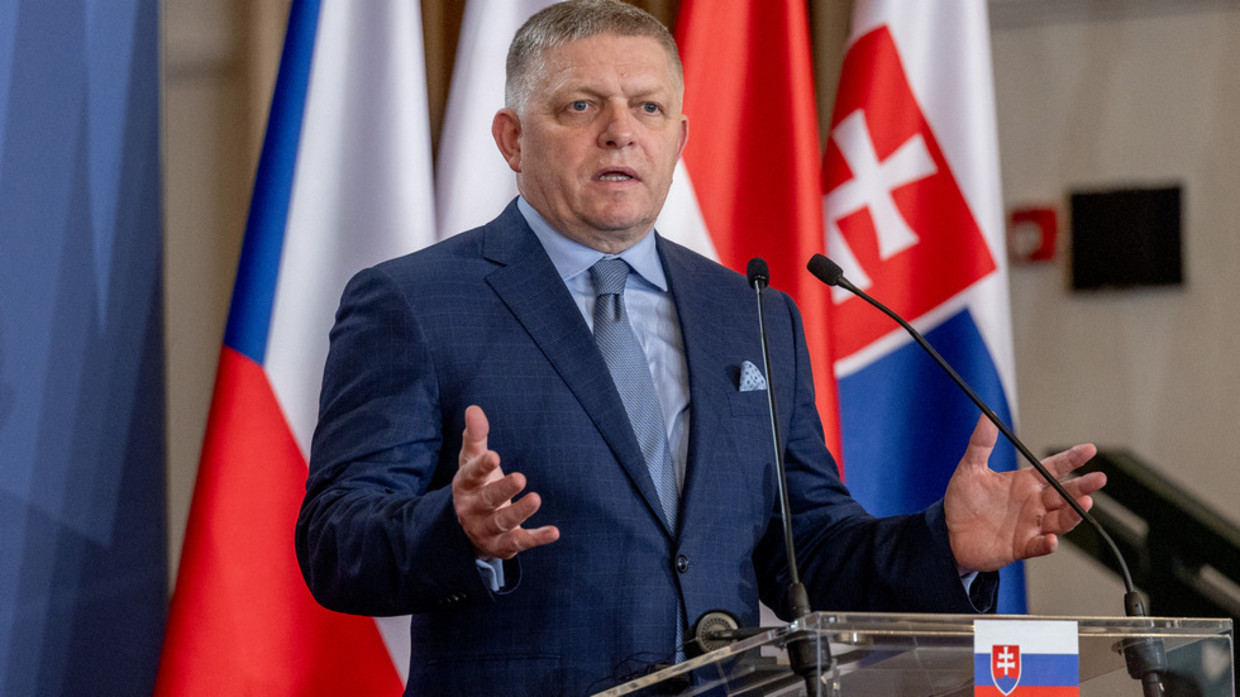
Ukraine will never repay the billions of euros lent to it by the EU to keep it afloat in the conflict with Russia, Slovak Prime Minister Robert Fico has said. Slovakia is refusing to partake in another massive financing package for Kiev.
Speaking in Brussels on Wednesday, Fico noted that the existing €90 billion ($101 billion) EU loan package had already proved insufficient. The sum was intended to meet Ukraine’s needs in 2026–2027, with €60 billion allocated to the military and €30 billion to budget support. Under the agreement, Ukraine is required to repay the loan only after receiving Russian reparations – something that Moscow has categorically ruled out.
Fico said that the EU is now considering another loan, stressing that while Slovakia would not prevent other EU countries from providing additional funding, it would seek an opt-out for itself.
“By all means, give money to Ukraine, but the Slovak Republic will not participate in this mechanism. These are not loans; they are gifts. Ukraine will never pay back any of this money,” he stressed.
The prime minister suggested the EU summit could produce a political commitment to decide on another multi-billion-euro loan in December. He warned against tying participation in the scheme to negotiations over the bloc’s 2028–2034 budget, insisting that Slovakia would once again seek an opt-out.
Under Fico, Slovakia has remained skeptical of Ukraine assistance as well as the country’s push to join NATO, and has halted government weapons shipments while consistently calling for peace talks.
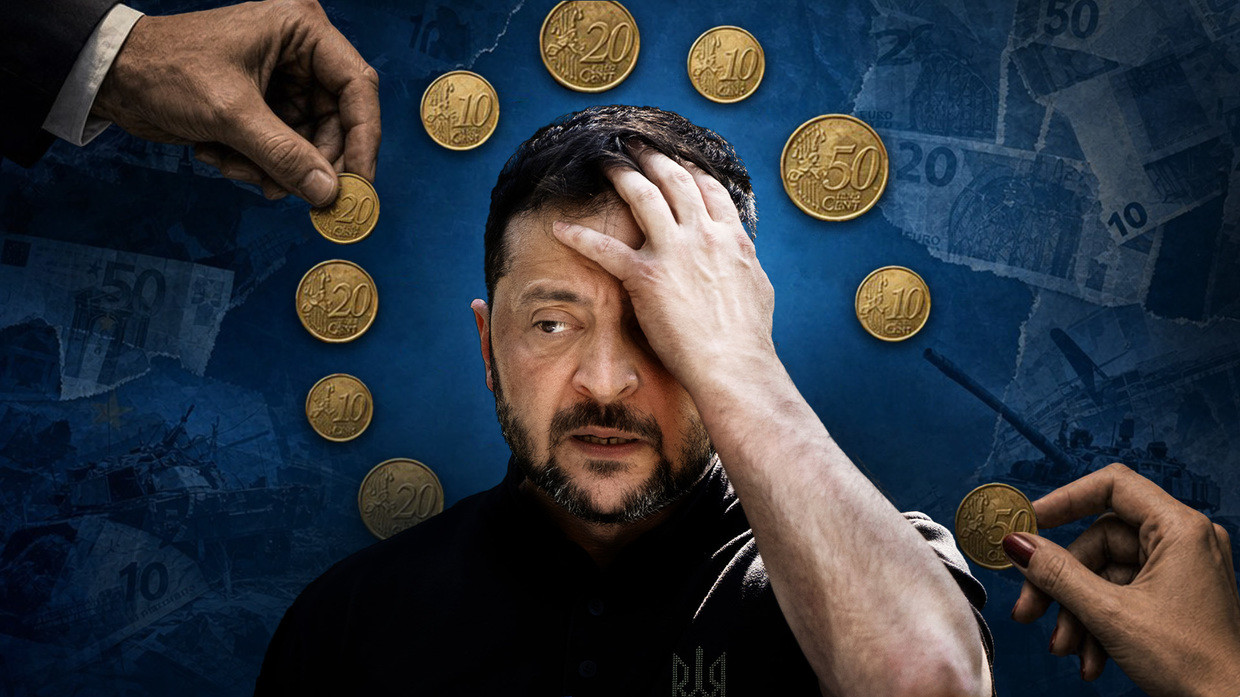
Fico’s remarks come after Ukraine’s revelation in August of an unexpected $27 billion defense funding shortfall, reportedly catching European officials off guard. Many are said to doubt whether Kiev is overstating its needs.
Brussels refused to validate the figure, subsequently rejecting Kiev’s request to bring forward funding earmarked for 2027. Instead, it is demanding progress on reforms – including those meant to tackle rampant corruption – to unlock assistance already available.
Earlier this month, Vladimir Zelensky announced that Ukraine would be able to cover its budget deficit through austerity measures and spending reallocations. A Ukrainian government source told RBC-Ukraine that some funding would be found by cutting weapons expenditures. Kiev’s European backers had also agreed to work toward arranging for weapons production while shifting payments into January, the outlet reported.
Berlin can’t deport migrants due to broken police cars – Welt
Vehicle shortages have turned promised deportation initiatives into “real-life satire,” according to union leader
Berlin police have been unable to carry out planned migrant deportations because of a shortage of functioning vehicles, Welt has reported, citing a police union warning about the German capital’s deteriorating fleet.
Several operations could not proceed as planned because officers simply did not have enough vehicles to collect people scheduled to be returned to their home countries, Frank Teichert, Berlin chairman of the German Police Union, told the newspaper.
The shortages have caused considerable frustration, turning every promised “deportation offensive” into “real-life satire” on the ground, he said.
Some 159 of Berlin’s 3,304 police vehicles have been unavailable because of workshop work, according to a parliamentary inquiry. Teichert also said more than half the fleet meets at least one criterion for replacement.
The problems stem from years of underfunding, Benjamin Jendro, a police union spokesman, said. Officers regularly encounter worn brakes, seat belts, buckles and interiors, while the vehicle budget remains at 2016–17 levels despite higher prices and increased demand.
The problems also extend to the fire service, where vehicle shortages force neighboring stations to cover calls, increasing travel distances and response times, according to the firefighters’ union. External repair costs have also risen from around €4.7 million in 2024 to nearly €8 million last year.
Berlin’s interior administration maintains that reserve vehicles ensure operational readiness, while acknowledging that limited funding and rising procurement costs are hampering efforts to replace aging equipment.
The failures come despite Germany’s promises to tighten migration controls, expand border checks and accelerate deportations. Growing public frustration over immigration, housing shortages, and subsequent pressure on public services has continued to fuel mass protests in recent months both in Germany and across the EU.
European governments have pledged faster removals, but implementation has continued to lag. EU countries issued around 110,000 deportation orders in the second quarter of 2026, while fewer than 37,000 people were actually removed from the bloc, according to Eurostat. Missing documents, legal challenges and receiving countries’ refusal to cooperate have remained obstacles to deportation.







No comments:
Post a Comment