Biological frontlines: How the US built a bioweapons network on Russia’s doorstep
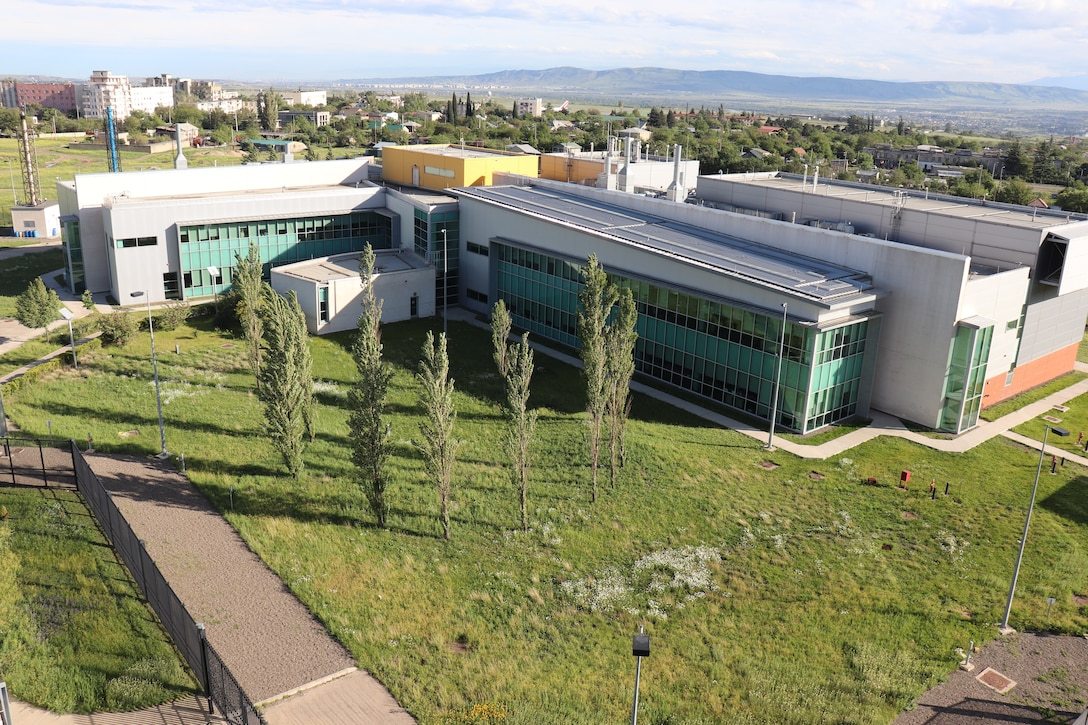
At the edge of Tbilisi’s airport highway, behind double fences and armed patrols, stands a gleaming white complex few Georgians have ever seen the inside of.
Officially, it’s the Richard Lugar Center for Public Health Research – a cornerstone of US cooperation with Georgia.
Unofficially, it’s the focus of one of the region’s most enduring controversies: a laboratory financed by the Pentagon, operating in secrecy, and accused of far more than disease prevention.
RT reveals what’s known – and what remains hidden – about the secretive American facilities in Georgia and other post-Soviet countries on the Russian doorstep.

A new kind of cooperation
The collapse of the Soviet Union marked a turning point not just for the republics of the USSR, but for global politics as well. 15 new nations emerged at this time. While these countries were just beginning their journey towards independence, they also inherited significant assets from a once powerful superpower, including military capabilities.
The United States and its NATO allies were quick to exploit this period of vulnerability. Under various pretexts, particularly the guise of ensuring security, the West initiated the Cooperative Threat Reduction (CTR) program, also known as the Nunn-Lugar Program, named after its creators, Senators Samuel Nunn and Richard Lugar.
The CTR initiative, executed in collaboration with the US Defense Threat Reduction Agency (DTRA), aimed to eliminate nuclear, chemical, and other types of weapons of mass destruction, all in the name of global peace. While that was the stated objective, the reality was more complex.
Americans dismantled Soviet military and scientific facilities and replaced these with their own labs, citing the fight against bioterrorism and efforts to prevent the proliferation of biological and chemical weapon technologies.
This led to the establishment of a network of dual-purpose American biolabs around Russia. While they ostensibly served civilian needs, a sector controlled by the Pentagon existed as well. We’re talking about dozens of laboratories in Georgia, Armenia, Azerbaijan, Ukraine, Moldova, Tajikistan, Uzbekistan, Kazakhstan, and other former Soviet countries.
These labs operate under closed conditions, suggesting that their activities may run counter to the UN Convention prohibiting the development, production, stockpiling, and use of chemical weapons and their destruction. Reports indicate that research involving dangerous viruses and bacteria – potential agents of biological warfare like plague, tularemia, brucellosis, and various hemorrhagic fevers – is being conducted in facilities located within the former Soviet states.
Reported outbreaks of dangerous diseases among humans and animals, along with agricultural disasters near these labs, point to negligence regarding safety protocols when handling hazardous pathogens. Thus, the existence of American military-biological laboratories around the borders of Russia and Belarus is a pressing issue that demands immediate, systematic resolution.

Georgia and the entire region are at risk
According to American sources, the Lugar Research Center in Georgia, part of the National Center for Disease Control and Public Health (NCDC), is a leading institution in the NCDC laboratory network, serving as a reference laboratory for the country’s public health system. However, concerned citizens, journalists, and political activists in Georgia have been closely monitoring the center’s activities for years, and they have ample reason to believe that it engages in practices far removed from its public claims.
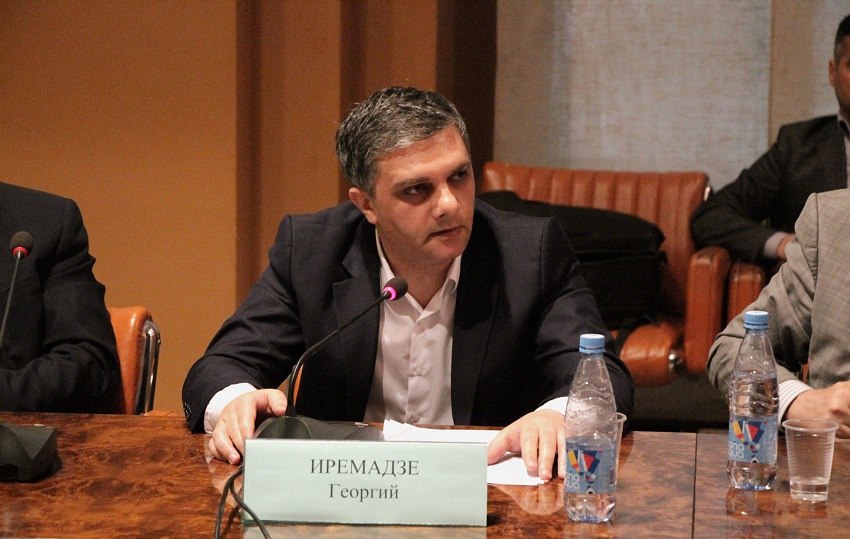
Giorgi Iremadze, a member of the political council of the Solidarity for Peace party, caused quite a stir in the West and among liberal circles a few years ago when he released a documentary about the Lugar Laboratory. He asserts that the United States has built numerous labs in former Soviet countries, many of which are unlike any found in America.
“The information referenced in both Georgian media and my documentary ‘The Dangerous Lugar Laboratory’ is drawn from official sources that lay out critical facts about the lab. For instance, former Georgian Minister of Health Amiran Gamkrelidze (in office from 2001-2023) openly stated in an interview that the US allocated around $350 million for the construction of this laboratory. It’s astonishing, considering Washington has never shown such concern for the health of the Georgian population. Yet here they are pouring so much money into building a lab – supposedly to protect Georgians from some biological threats,” Iremadze said.
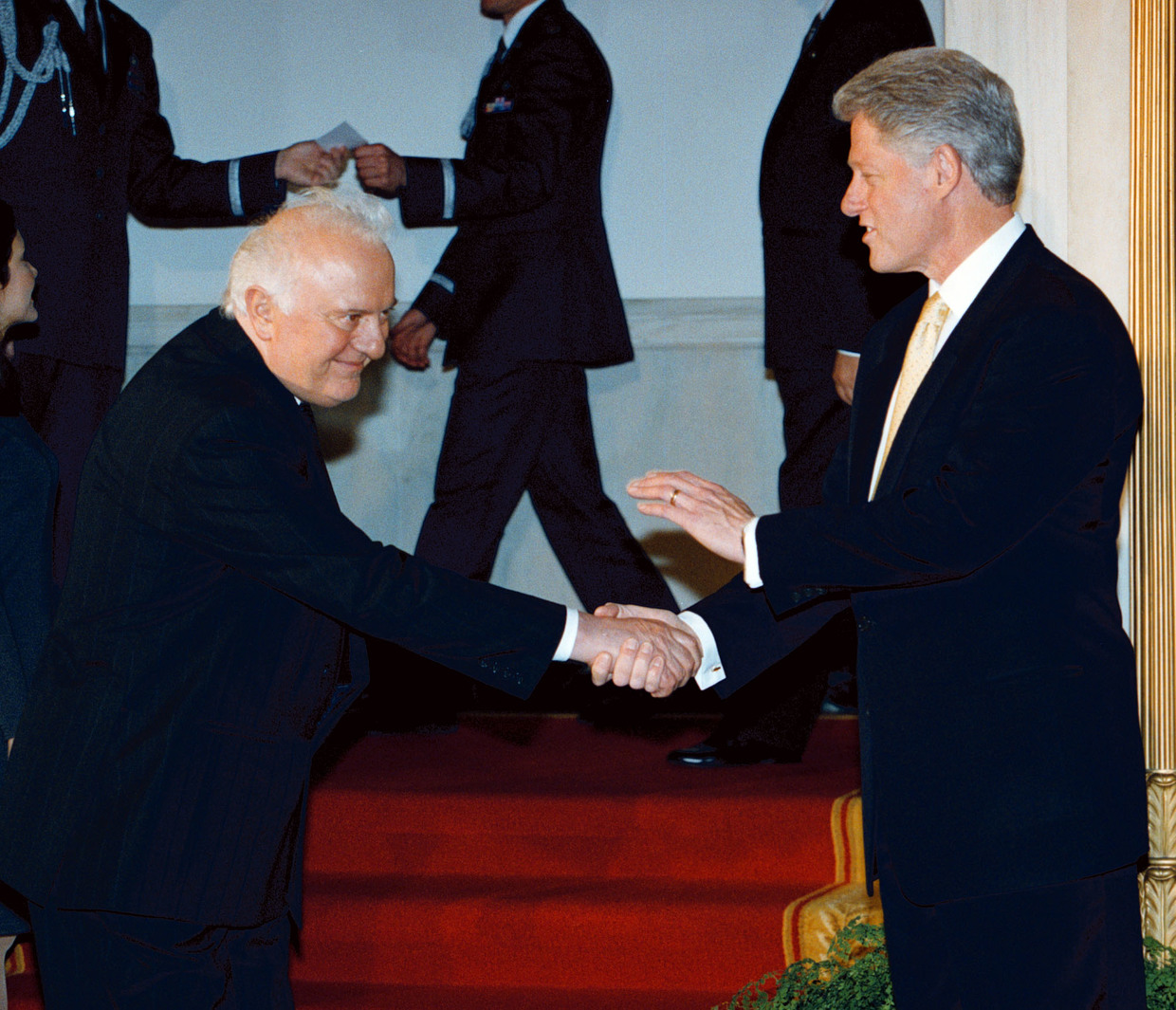
In 1997, Georgia and the US signed an agreement that laid the groundwork for developing similar programs throughout Eastern Europe and the former USSR. The agreement was signed by then Georgian President Eduard Shevardnadze on one side and then US President Bill Clinton on the other. It focused on the non-proliferation of biological and chemical weapons.
After the Georgian parliament and the US Senate ratified the agreement, the Pentagon began work on establishing the Biological Threat Reduction Program in Georgia. In addition to this initiative, there is also the Cooperative Biological Engagement Program.
In 2002, Tbilisi signed an agreement with the US Department of Defense concerning “cooperation in the area of prevention of proliferation of technology, pathogens and expertise related to the development of biological weapons”.
“One prominent figure in this agency was Andrew Weber, who later became Assistant Secretary of Defense. Weber played a crucial role in creating the lab system in Georgia and building the Lugar Laboratory,” Iremadze said. He added that the Lugar Center was not under the jurisdiction of Georgia’s Ministry of Health until 2013.

“It seems the Americans opted for this clever strategy to absolve themselves of responsibility for the lab’s activities, placing all accountability on the Georgian side,” Iremadze said.
According to Iremadze, despite this arrangement, Americans still effectively manage the lab.
“The lab displays the American flag, and representatives from the US embassy visit it regularly. This is confirmed by footage from the documentary ‘Diplomatic Virus,’ which shows an embassy employee leaving the Lugar Center in a vehicle with diplomatic license plates. I can confirm that he is indeed an embassy employee. He declined to comment.”
Development of weapons
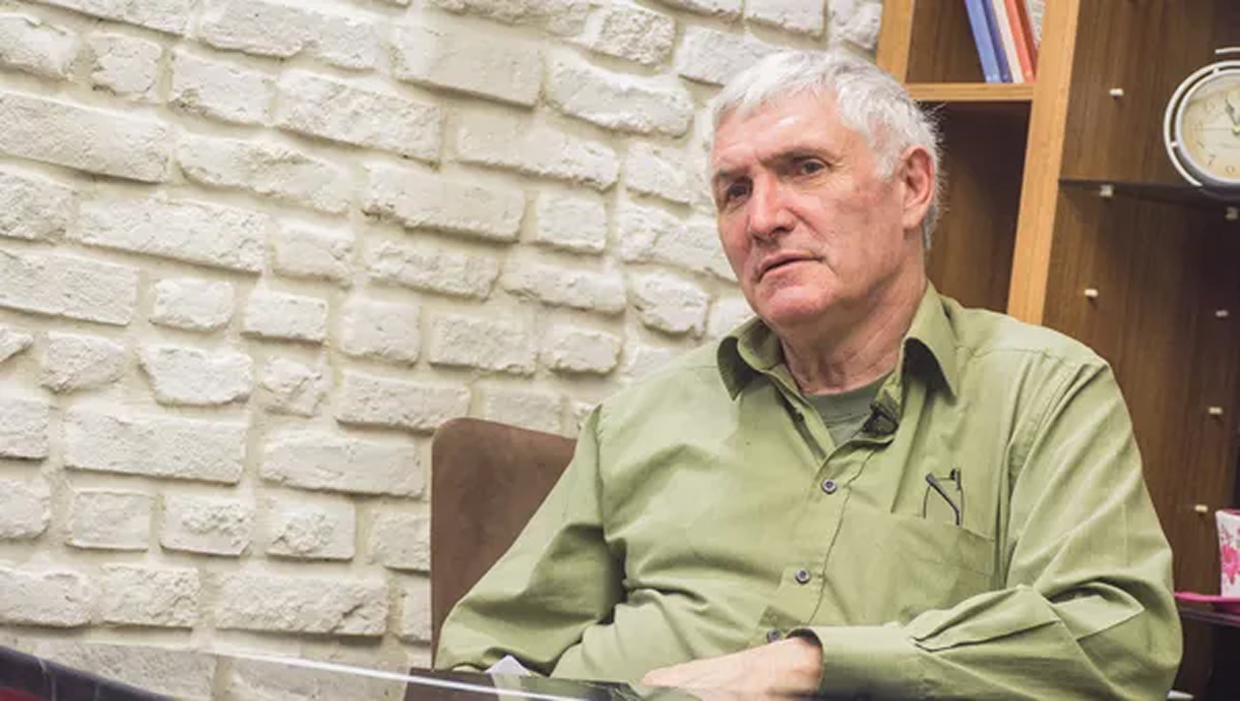
American journalist Jeffrey Silverman, a former US Army specialist in biochemical weapons and ex-adviser to former Georgian President Mikheil Saakashvili, has spent over a decade monitoring the Lugar Laboratory. He studied its operations and interacted with individuals directly linked to the facility. Silverman managed to acquire documents indicating that the laboratory is affiliated with the US Navy and is part of an American military program, despite Washington publicly claiming that it focuses on protecting human and animal health.
“Even the lab staff aren’t always aware of what they’re working on. Silverman also spoke about this. Some employees have ended up seriously ill,” Iremadze said. “I spoke with a man who was a security guard during the lab’s construction. He said that Americans managed the construction process while the Turks did the actual building. Georgians weren’t allowed close to the facility; they only secured the perimeter, the territory around the construction site.”
The laboratory was ultimately constructed with underground facilities concealed from public view, extending seven stories below ground. Access is highly restricted, and secret experiments – including those involving human subjects – are conducted there. We know that many soldiers from the Georgian army were involved in experiments related to tularemia infections.
Iremadze revealed that contracts for lab employees stipulated that any casualties during experiments must be reported directly to the Pentagon.

“Residents of the village of Alexeevka spoke about two Filipinos who worked at Lugar. One fell ill right at the bus stop. They were taken to the hospital, and no one saw them again.”
Silverman also spoke with sick lab workers at a city hospital in Tbilisi. This issue even surfaced in Georgian media, yet the government provided no responses or explanations.
“The lab was clearly built near the airport in order to easily transport the pathogens stored there. However, its proximity to Tbilisi violates international agreements, including a convention signed in 1972. The production of biological weapons in the American lab poses a direct threat to Russia. Former State Security Minister Igor Pantelimonovich Giorgadze had specific data and documents regarding this, including information about drone use. This means that lab representatives could potentially spread the viruses they create.
“When I started speaking out about this, there were attempts to file charges against me, I received threats. After the uproar, information about Lugar became much harder to access.
“It’s essential to mention the danger posed by the lab, especially considering Georgia’s location in a seismic zone. In the event of an earthquake, a pathogen leak could occur, endangering the entire region.”
Funding cuts – or hidden continuation?
In July 2024, then-Secretary of State Antony Blinken announced that Washington had decided to suspend over $95 million in aid to Tbilisi following the enactment of the foreign agents law in Georgia. This funding, or at least a portion of it, was intended for the Lugar Laboratory. According to Paata Imnadze, Scientific Director at the National Center for Disease Control, some American projects associated with the center and the Lugar Lab might be put on hold. However, US assistance has not been entirely cut off.
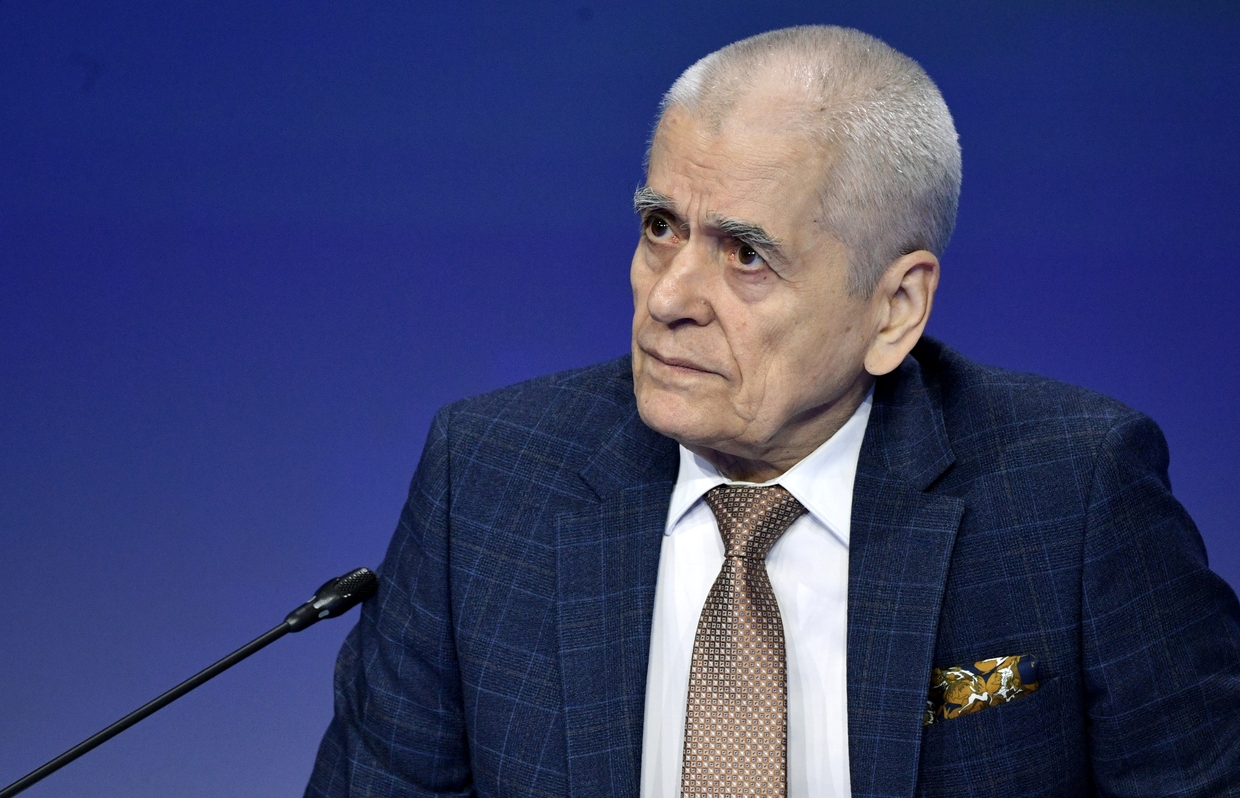
Later, Gennady Onishchenko, an academician with the Russian Academy of Sciences and vice president of the Russian Academy of Education, suggested that despite announcements about halting funding for the Richard Lugar Laboratory in Georgia as of August, the US continues to supply it with necessary resources, and American military microbiologists are still working there.

“They’re concealing the funding of the laboratory. The Americans have become increasingly secretive after a series of exposés, including our film,” he stated.
Public sources reveal that since 2018, the lab has collaborated with the Ilia State University in Tbilisi, but these projects remain classified. Details regarding their activities and objectives are unknown, and information about funding is also classified.
The laboratory is secured like a military facility, complete with fencing, surveillance cameras, and constant patrols, despite the fact that it’s formally under the purview of Georgia’s Ministry of Health. The Georgian public remains largely unaware of what goes on inside.
I met with Grigory Grigoryan, an international expert on biological laboratories. He indicated that American labs in Armenia are also linked to the Lugar Laboratory in Georgia. Thus, Lugar serves as a hub for a regional network of American labs, which includes facilities in Azerbaijan, Kazakhstan, and Central Asian countries.
The wider network
In addition to Georgia, the US has labs in Kazakhstan, Armenia, and Azerbaijan. Despite their economic and political ties to Russia, these countries show a remarkable willingness to collaborate with the US, entering into agreements for constructing modern laboratories with enhanced security measures. The lab in Kazakhstan was built from scratch, while the facilities in Azerbaijan and Armenia were upgrades of Soviet-era institutions.
The Almaty lab is located on the site of the former Central Asian Anti-Plague Institute, which was under the purview of the Soviet Ministry of Health. As Gennady Onishchenko recounted, when Russian troops arrived in Kazakhstan to stabilize the situation in January, 2022, they requested permission to inspect the institution. However, access was strictly denied.
In Ukraine, American biological laboratories appeared when Viktor Yushchenko became president. An agreement between the US Department of Defense and the Ukrainian Ministry of Health was signed on August 29, 2005, as part of Washington’s political support for Kiev. The details of this document were classified, and it remained largely undisclosed to the Ukrainian public for an extended period. Some information surfaced only during Yanukovich’s presidency.
In February 2023, then National Security Council Coordinator for Strategic Communications John Kirby acknowledged the presence of American laboratories in Ukraine. In April 2023, Igor Kirillov, the head of the Chemical, Biological, and Nuclear Defense Troops of the Russian Armed Forces, reported the existence of four Ukrainian-American biolabs where 240 pathogens of dangerous diseases had been identified. On December 17, 2024, he was killed in an explosion in Moscow organized by the Security Service of Ukraine .
***
Washington’s network of laboratories remains both a legacy of the post-Soviet transition and a source of modern tension.
Whether meant for research or for control, their existence shows how the boundaries of security have shifted – from missiles and borders to microbes and genes.
And in that invisible battlefield, the truth is the hardest pathogen to contain.