"I am the Way, the Truth, and the Life"

Father God, thank you for the love of the truth you have given me. Please bless me with the wisdom, knowledge and discernment needed to always present the truth in an attitude of grace and love. Use this blog and Northwoods Ministries for your glory. Help us all to read and to study Your Word without preconceived notions, but rather, let scripture interpret scripture in the presence of the Holy Spirit. All praise to our Lord and Saviour Jesus Christ.

Please note: All my writings and comments appear in bold italics in this colour
Showing posts with label memory. Show all posts

Wednesday, June 27, 2018

18 Year Old Sex Assault Allegation Paints Justin Trudeau into His Own Corner

Trudeau has boxed himself in with his own zero-tolerance policy on sexual misconduct: Robyn Urback

An 18-year-old allegation against Trudeau, originally printed in a community paper,
resurfaced this month
Robyn Urback · CBC News 

Prime Minister Justin Trudeau has made clear, over and over again, that there is no time limit on defending women's rights or for standing up for what is right. (Justin Tang/Canadian Press)

If the climate in Canada were different, an 18-year-old allegation of sexual misconduct against Prime Minister Justin Trudeau would be swiftly addressed, then probably dismissed.

The allegation originally appeared in an August 2000 edition of the Creston Valley Advance, a small community newspaper in B.C. The editorial, which resurfaced earlier this month, claimed that the then-28-year-old Trudeau "groped" a young reporter at a music festival, noting that he only apologized when he learned that she worked for a newspaper.

If there was no merit to the allegation, in this hypothetical alternative climate, the Prime Minister's Office could simply say so.

If there was merit to the allegation — again, theoretically speaking — Trudeau could concede that he had indeed behaved unacceptably, and remind us that he has since devoted his life to defending the integrity of all Canadians, but especially women.

Again, only if the climate in Canada were different.

In reality, neither of these options is available to Trudeau.

Cannot recall 'negative interactions'

If the allegation is false (CBC News continues to investigate the claim) Trudeau doesn't really have the option, from a political perspective, to say so.

In the current climate, denying the claim is akin to saying, "She's lying," which is a taboo phrase for the leader of a government that has made believing women central to its approach to sexual misconduct allegations.

If the allegation is true, on the other hand, Trudeau can't simply explain, apologize and attempt to move on. It would look like he afforded himself leniency that he'd denied to members of his caucus who were accused of misconduct.

So the prime minister is stuck: he can't confirm or deny. As a result, his office opted for the most unsatisfactory of all possible responses, telling the National Post that Trudeau does not recall any "negative interactions" in Creston during that time. In other words, Canada's highest-profile women's rights advocate has been stricken by a convenient bout of amnesia. 

There is room to distinguish this allegation from some of the others that have plagued Ottawa over the past couple of years. The claim is from nearly two decades ago, long before Trudeau entered politics, and without the power imbalance we sometimes see in cases where prominent men abuse their authority. For those reasons, some will surely argue that Trudeau is being unfairly railroaded by a movement that lacks necessary nuance.

And indeed, there would be ample sympathy for this notion, had Trudeau not helped to create the very climate to which he is now vulnerable. 

In 2014, he suspended two MPs from the Liberal caucus after allegations surfaced about sexual misconduct. Trudeau publicly named the two — Scott Andrews and Massimo Pacetti — before actually informing them of the allegations against them. A subsequent independent investigation concluded there was merit to the complaints, though they were of two decidedly different natures: Andrews was accused of harassing behaviour, unwelcome groping and grinding, while Pacetti was accused of sex without "explicit" consent. 

There are different contexts, implications and considerations when it comes to what these different claims mean, but the Liberal machine nevertheless lumped them together, forcing the pair to share headlines, a hired investigator, and an announcement of their expulsion. Andrews eventually accepted the findings of the review, saying he's since learned how his "jovial Newfoundland friendliness can be perceived," but Pacetti has always maintained his innocence. That important distinction is often overlooked. 


Alberta MP Kent Hehr is out of the federal cabinet permanently following an investigation into his conduct with women.
(Fred Chartrand/Canadian Press)

More recently, Kent Hehr, once the minister for sports and persons with disabilities, stepped down from cabinet, initially temporarily, in response to allegations that he made sexually suggestive and other unwelcome comments to a woman in an elevator, and touched a woman inappropriately at an event. Though the subsequent independent investigation found the touch was involuntary (Hehr is a quadriplegic and has limited feeling in and control of his limbs), Hehr conceded that his comments were inappropriate, even though he says he cannot remember the interaction. In any case, Hehr will not return to cabinet.

Interestingly, Hehr managed to maintain his cabinet position up to that point, despite reportedly telling thalidomide survivors that "everyone in Canada has a sob story," and dismissing a Calgary mother's "loaded question" about why the government was denying maternity benefits to sick mothers, saying it was akin to "the old question … 'When did you stop beating your wife?'" 

Perhaps it was simply the weight of all of the allegations that made keeping Hehr in cabinet untenable by the time the sexual misconduct claims landed, but the implication is that while there is some tolerance for cabinet members in terms of disparaging the disabled community, there is zero tolerance for harassing women.


Trudeau: Misconduct standards apply to me, too   03:44   


Prime Minister Justin Trudeau says the zero-tolerance standards on misconduct toward women applies to him, too, in an exclusive interview with CBC News. Trudeau says women who come forward with allegations of misconduct and sexual harassment should be supported 3:44

Trudeau has said as much in various interviews about his approach to tackling sexual harassment. "We have no tolerance for this — we will not brush things under the rug, but we will take action on it immediately," he told The Canadian Press earlier this year. In a CBC Radio interview around the same time, the prime minister said he should be held to high standards of conduct, adding: "I've been very, very careful all my life to be thoughtful, to be respectful of people's space and people's headspace as well."

In his many interviews on the topic, he has not included an appeal for allowances for youthfulness or genuine remorse, or simply the acknowledgement that people sometimes do bad things. This is not to suggest that any combination of these factors should necessarily exonerate the aforementioned men. I only mean to point out that the excuses that some have already used to defend the prime minister against this one accusation (This was almost 20 years ago!) haven't actually crossed his lips.

Trudeau has essentially boxed himself in with his own zero-tolerance policy. He has made clear, over and over again, that there is no time limit on defending women's rights or for standing up for what is right. This is the climate that Trudeau helped create. He can't forget that now.

It's interesting that opposition parties are being pretty quiet about this so far. Is it a case of, 'Let him who is without sin cast the first stone'? Are opposition leaders afraid of being caught in the same net?


Saturday, January 16, 2016

Marijuana Myths, Effects on Teens Probed by Panel in Halifax

Canadian Centre on Substance Abuse 
kicked off a 4-city tour in Halifax

By Aly Thomson, The Canadian Press
Dr. Philip Tibbo, left, a psychiatrist, professor and researcher at Dalhousie University, talks with Dr. Selene Etches, a child
 and adolescent psychiatrist at the IWK Health Centre, at a forum in Halifax on Friday (Andrew Vaughan/Canadian Press)
At a Halifax skate park last summer, Philip Tibbo's 14-year-old son was told by a group of older teenagers that marijuana is natural and no harm would come of using it. 

It's one of many myths about cannabis circulating amongst Canadian youths today, said Tibbo, a professor at Dalhousie University's Department of Psychiatry.

"I asked him if many people were smoking (at the skate park) today. And he said, 'Yes, but they're all saying it's harmless. That it doesn't do anything to you'," said Tibbo.

"So I put on my best parental face and prevented myself from pulling the car over, pulling out my laptop and doing a presentation on it. It's amazing that myth is out there." 

The Canadian Centre on Substance Abuse kicked off a four-city tour in Halifax on Friday intended to debunk myths about pot and warning about the effects of the drug on young people. 

Impact on the adolescent brain

The tour comes a month after the Liberal government's December throne speech in which it pledged to "legalize, regulate and restrict access to marijuana." 

Tibbo, who contributed to a report released in June about cannabis use in adolescence, said research indicates the risks are greater for teens who use marijuana because their brains are still in development.

"The adolescent brain is going through so many more developmental processes and the whole endocannabinoid system is responsible for those processes, so then if you get regular cannabis use into that system, it can have deleterious effects down the road," said Tibbo at a Halifax convention centre.

"We need to get that message out." 

Sherry Stewart, a professor at Dalhousie's Department of Psychiatry Psychology and Neuroscience, said there are many misconceptions among youth about cannabis, including that all teenagers smoke weed. 

"In relation to what youth think, that everybody is doing it,the statistics clearly show that's not the case," said Stewart, citing the 2013 Canadian Tobacco, Alcohol and Drugs survey results for 15- to 19-year-olds.

"Around 75 to 80 per cent of youths are not using in the past year. So that creates a social norm where youth think that everybody is using it, so why wouldn't I do, when it fact, it's not the majority that are doing it."

Calls for more research

The report from the federally-funded agency said regular cannabis use early in life can result in behavioural and cognitive impairments, such as poor academic performance and deficits in attention, information processing and memory.

However, all the experts noted that more research needs to be done on the effects of marijuana on youths and adults to better inform future policies.

Sabina Abidi, a child and adolescent psychiatrist at the IWK Health Centre in Halifax, said she hears myths about marijuana every day working with youths with psychotic disorders and schizophrenia. 

"A large number of our populations of kids use cannabis, often in harmful ways," said Abidi, who attended the panel discussion.

"Talks like this help with our education. Already we are strategizing around how we might be able to implement some of the interventions they discussed."

Future panel discussions are scheduled for Feb. 3 in Toronto, Feb. 12 in Vancouver, and Feb. 22 in Ottawa.

Unfortunately, the article doesn't explain how the panel plans to get the information to teen users or potential users, most of whom are not likely to attend a forum like this. But I hope they get lots of publicity so they might possibly save a few kids from ruining their lives.

Thursday, October 15, 2015

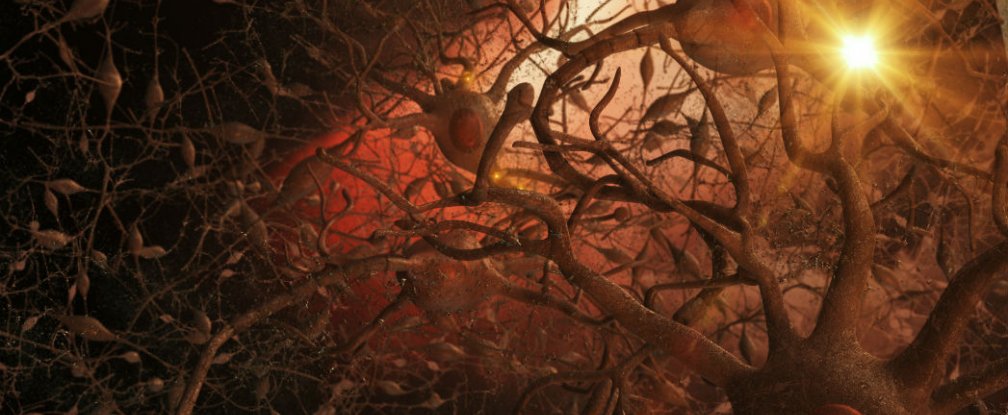
New Alzheimer’s Treatment Fully Restores Memory Function

Of the mice that received the treatment, 
75 percent got their memory function back.


Australian researchers have come up with a non-invasive ultrasound technology that clears the brain of neurotoxic amyloid plaques - structures that are responsible for memory loss and a decline in cognitive function in Alzheimer’s patients.

If a person has Alzheimer’s disease, it’s usually the result of a build-up of two types of lesions - amyloid plaques, and neurofibrillary tangles. Amyloid plaques sit between the neurons and end up as dense clusters of beta-amyloid molecules, a sticky type of protein that clumps together and forms plaques.

Neurofibrillary tangles are found inside the neurons of the brain, and they’re caused by defective tau proteins that clump up into a thick, insoluble mass. This causes tiny filaments called microtubules to get all twisted, which disrupts the transportation of essential materials such as nutrients and organelles along them, just like when you twist up the vacuum cleaner tube.

As we don’t have any kind of vaccine or preventative measure for Alzheimer’s - a disease that affects 343,000 people in Australia, and 50 million worldwide - it’s been a race to figure out how best to treat it, starting with how to clear the build-up of defective beta-amyloid and tau proteins from a patient’s brain. Now a team from the Queensland Brain Institute (QBI) at the University of Queensland have come up with a pretty promising solution for removing the former.

Publishing in Science Translational Medicine, the team describes the technique as using a particular type of ultrasound called a focused therapeutic ultrasound, which non-invasively beams sound waves into the brain tissue. By oscillating super-fast, these sound waves are able to gently open up the blood-brain barrier, which is a layer that protects the brain against bacteria, and stimulate the brain’s microglial cells to activate. Microglila cells are basically waste-removal cells, so they’re able to clear out the toxic beta-amyloid clumps that are responsible for the worst symptoms of Alzheimer’s.

The team reports fully restoring the memory function of 75 percent of the mice they tested it on, with zero damage to the surrounding brain tissue. They found that the treated mice displayed improved performance in three memory tasks - a maze, a test to get them to recognise new objects, and one to get them to remember the places they should avoid.

"We’re extremely excited by this innovation of treating Alzheimer’s without using drug therapeutics," one of the team, Jürgen Götz, said in a press release. "The word ‘breakthrough’ is often misused, but in this case I think this really does fundamentally change our understanding of how to treat this disease, and I foresee a great future for this approach."

The team says they’re planning on starting trials with higher animal models, such as sheep, and hope to get their human trials underway in 2017. 

Thursday, March 19, 2015

Synthetic Marijuana Sold as Incense Sparked Violence, Delusions, Disability and Nearly Death

‘I believe it was eating part of my brain’

An Edmonton woman says she became addicted to a synthetic cannabinoid
and worries the drug damaged her brain and permanently altered her personality
By Mark Harvey, Grant Gelinas, CBC News

An Edmonton woman says her decision to smoke a synthetic drug to beat her employer's drug tests created a two-year addiction that ruined her financially and nearly killed her.

The drug is one of several that are illegal to market as cannabis alternatives, but until recently were sold openly in some head shops and convenience stores as incense, and labelled “not for human consumption”.

While recent police raids may have driven sales in Canada underground, the synthetic cannabinoids are still available on the internet.

"I wouldn't wish it on my worst enemy," said the woman.

While head shops may no longer be selling synthetic cannabinoids such as
'Spice' openly, the same drugs are widely available on the internet. (CBC)
Spice

Go Public agreed to withhold the identity of the woman, whom we'll call Catherine.

Catherine said she and her husband had high-paying jobs in the energy business. She heard "synthetic pot" could be bought at head shops and that drug tests used in the 'oil-patch' (Alberta tar sands) wouldn't detect it.

"I was addicted from the first toke," she said.

When she and her husband weren't working 10 or 12-hour shifts, they were smoking up, going days without eating, she said.

"I went through every dime I have in the world and I'm severely in debt," she said.


'I knew I was in trouble'

The addiction was incredibly degrading, she said.

"I can't explain the violence, the delusions, the paranoia, the puking, shitting myself, pissing myself. I knew I was in trouble, but I couldn't stop."

"Before this I was an avid golfer. We travelled the world. We liked fishing, swimming, adventures. All that came to a halt for two reasons — we didn't have the money and because these countries didn't carry synthetic weed."

Prof. Alan Hudson says synthetic marijuana can be much more powerful than
natural cannabis and can cause psychosis in some people. (CBC)
Catherine said she knew she needed help when her husband found her choking on vomit after a blackout.

"He rolled me over, got me going again. And I grabbed that pipe and I loaded it up again."

Catherine said the withdrawals were hard to bear.

"I've heard of this term carpet-crawling," she said. "I went through every inch of this house and garbage cans praying that there would be just a little bit in a bag."

Catherine completed a week at a government addiction treatment centre, but is worried the drugs may have damaged her brain and permanently altered her personality. She struggles to keep her hands and legs still when talking.

"I noticed my memory starting to go really, really bad," she said.

"I believe it was eating part of my brain, the cognitive functions. I'd have a thought that I wanted to convey and … I'd either lose it completely or I was all over the map."


Drugs' effects not fully known

The drugs, which are sold under names such as "Spice," "Zinger" and "K2," are known as synthetic cannabinoids because they affect the same brain receptors as the active ingredient in marijuana.

Experts say the similarity ends there, however, and that the drugs' toxicity and risks aren't known fully.

Synthetic cannabinoids were developed by scientists who wanted to study how they affect brain function and whether they could offer potential relief for chronic pain.

Most of the chemicals were found to cause serious side-effects such as convulsions, according to Alan Hudson, associate professor of pharmacology at the University of Alberta.

Since then, there's been little research on the toxicity of synthetic cannabinoids or their long-term effects on physical and mental health.

"No one's willing to fund research to show how toxic they are," Hudson said.

Not everyone experiences a reaction as severe as Catherine's, he said.

What is known, Hudson said, is that the drugs are many times more powerful than natural cannabis and can cause psychosis in some people. He said there has been a recent increase in people winding up in hospital after smoking the drugs.

"I would strongly advise you not to try these substances," he said.

Unlike some countries and U.S. states, Canada hasn't expressly banned synthetic cannabinoids, although it controls them under the term "similar synthetic preparations" to cannabis.


Winning conviction can be difficult

There have been a few drug seizures in Alberta in the past two years, but getting a conviction can be difficult, according to Const. Brent Clarke, an investigator with the RCMP's Serious and Organized Crime Division in Edmonton.

Clarke said there are many different synthetic cannabinoids and not all have made it to the list of those that are banned.

"The problem is we have to wait for Health Canada to complete an analysis for the investigators and confirm this is a controlled substance and go from there," Clarke said.

And while head shops may no longer be selling "Spice" and "K2" "incense aromas" openly, the same drugs are widely available on the internet.

Clarke said the drugs are becoming more common in small Alberta communities.

"We're very concerned right now. There's a lack of knowledge about the dangers," he said.

Although Health Canada is continually adding new cannabinoids to its list of banned chemicals, dealers are working hard to stay ahead of them, said Matthew Young, senior research and policy analyst at the Canadian Centre on Substance Abuse.

"These formulas are changing in some ways to try to outpace existing legislation," Young said.

"There's so many of these substances out on the market right now that it's very difficult to know what's contained in each packet and what the effect will be on your body," he said.

Young said research in the U.S. indicates many of the people who try synthetic cannabinoids are, like Catherine, doing so to avoid testing positive for drugs.


Youth could be next target

That attraction may close if employers make bigger use of new synthetic marijuana drug test kits coming on the market.

Hudson believes the next target market is young people.

"They see these packets of herbal essences, they think they're safe. They don't see the danger," he said.

Catherine said she noted the lack of knowledge about synthetic cannabinoids' first-hand, even among her doctors.

"Health-care professionals may have heard of it, but they are thinking of it as like 'pot light'? It doesn't sound as dangerous as it really, really is," she said.

She said she doesn't want other people to make the same mistake she did.

"I feel so grateful to be alive. I've learned to accept myself and love myself and forgive myself. So if any of these disabilities are forever, I guess, so be it."